Grease and oil separators
Plastic PEHD separators of grease, oil and petroleum derivatives for the treatment of wastewater from kitchens, garages, fuel stations and industry.
Overview
Plastopex manufactures plastic grease and oil separators for the treatment of wastewater that contains fats, oils, petroleum derivatives, sediment and other light liquids. The separators are made of PEHD, i.e. HDPE material, using spiral winding technology, according to the required flow rate, volume, place of installation and type of wastewater.
Grease separators, also known as grease traps or kitchen grease separators, are used to separate fats of animal and vegetable origin from wastewater in restaurants, kitchens, canteens, dairies, slaughterhouses, meat and fish processing plants and other facilities where food is prepared or processed. Their role is to reduce the deposition of fats in the pipes, help protect the sewerage system and contribute to more responsible wastewater management.
Oil and petroleum derivative separators are used in places where surface or process wastewater may contain mineral oils, fuels and other light liquids. They are most often used on roads, parking lots, squares, fuel stations, car services, garages, industrial plants and surfaces exposed to precipitation and sediment.
Plastopex separators can be made with a sediment trap and a coalescing replaceable filter insert, in accordance with the requirements of the project and the application. For large surfaces, such as parking lots, squares and roads, separators with a bypass are also available, which allow the first flush of the most polluted water to be introduced into the separator, while larger amounts of precipitation are drained via the bypass system.
PEHD material is non-porous and resistant to corrosion, moisture, groundwater, wear and the chemical influence of a large number of substances. Due to their low weight, plastic separators are simpler to transport, handle and install compared to heavier traditional systems. Depending on the project, they can also be installed in zones with traffic load, with appropriate terrain preparation and a load-relieving reinforced concrete slab.
Models with flow rates from 2 l/s to 250 l/s are available, with volumes from 1 m³ to 50 m³. The exact choice of separator depends on the source of the wastewater, the expected flow rate, the amount of sediment, the type of pollution, the installation location, the connecting pipes and the maintenance requirements.
Applications
- Grease separators for restaurants, kitchens, canteens and hospitality facilities
- Grease traps for dairies, slaughterhouses and food processing plants
- Oil and petroleum derivative separators for fuel stations and car services
- Separators for garages, parking lots, roads and squares
- Separators for industrial plants and surface wastewater
- Separators with a bypass for large surfaces exposed to precipitation
- Systems with a sediment trap and a coalescing filter insert
Key Benefits
- PEHD material resistant to corrosion, moisture and the chemical influence of a large number of substances
- Low weight for simpler transport, handling and assembly
- Possibility of manufacturing grease separators, oil separators and separators with a bypass
- No influence of groundwater when installation is properly designed and carried out
- Good mechanical resistance and static load capacity according to the conditions of the project
- Do not require anti-corrosion protection like metal systems
- Smooth interior surfaces for easier cleaning and maintenance
- Suitable for kitchen, municipal, industrial and atmospheric wastewater
- Possibility of installation in traffic surfaces with an appropriate load-relieving slab
- Long service life with proper installation, maintenance and regular emptying
Specifications
| Material | PEHD / HDPE |
|---|---|
| Production technology | Spiral winding |
| Product type | Plastic separator for grease, oil and petroleum products |
| Available flow rates | 2 l/s · 5 l/s · 10 l/s · 15 l/s · 20 l/s · 30 l/s · 50 l/s · 80 l/s · 100 l/s · 150 l/s · 200 l/s · 250 l/s |
| Volume | From 1 m³ to 50 m³, depending on the separator type and flow rate |
| Dimensions | From Ø1000 × 1200 mm to Ø2400 × 11100 mm, according to model and capacity |
| Connecting pipes | Ø125 · Ø160 · Ø200 · Ø250 · Ø300 · Ø400 · Ø500 · Ø600 mm |
| Standard models | SEP-2 · SEP-5 · SEP-10 · SEP-15 · SEP-20 · SEP-30 · SEP-50 · SEP-80 · SEP-100 · SEP-150 · SEP-200 · SEP-250 |
| Designs | Grease separators, oil separators, petroleum product separators and separators with a bypass |
| Equipment | Settling tank, replaceable coalescing filter insert, inlet and outlet connections, inspection openings and additional equipment as per the project |
| Possible design standard | EN858 for oil and petroleum product separators, according to the type of device and project requirements |
| Installation | Buried in a prepared trench, on a compacted bed of sand or gravel, with proper lateral backfilling |
| Traffic load | For installation beneath traffic surfaces, an appropriate reinforced-concrete relief slab is required as per the project |
| Groundwater | In groundwater zones, attention must be paid to the buoyancy force and appropriate securing measures must be provided |
| Maintenance | Periodic removal of sediment and separated grease or oil, in line with the system load and applicable regulations |
| Manufacturing | Made to order, according to flow rate, volume, wastewater type, installation location and technical requirements |

Plastiša guide
Not sure which grease or oil separator you need?
Plastiša briefly explains when PEHD grease and oil separators are a good solution, who they are intended for, when additional technical review is needed and what to prepare before sending an inquiry.
What are grease and oil separators used for?
- For separating grease from wastewater from restaurants, kitchens, canteens, hotels and catering facilities.
- For treating wastewater from the food industry, dairies, slaughterhouses, food-processing plants and similar facilities.
- For separating oil, petroleum derivatives and light liquids from wastewater or surface water.
- For fuel stations, car service shops, garages, parking lots, car washes and traffic surfaces.
- For industrial plants, technical surfaces and systems where there is a risk of the presence of oil, grease, sediment or petroleum derivatives.
- For systems with a settling chamber, coalescing filter, bypass configuration or additional equipment according to the project.
- For flow rates from 2 to 250 l/s, depending on the type of facility, the load and the system requirements.
Who are they intended for?
- Restaurants, hotels, canteens, professional kitchens and catering facilities that need a grease separator.
- Food plants, dairies, slaughterhouses and food producers that have wastewater with grease or sediment.
- Fuel stations, car service shops, garages, car washes and parking lots that need an oil and petroleum-derivatives separator.
- Industrial and commercial facilities that must control the quality of wastewater or surface water.
- Designers, contractors and investors working on sewerage, drainage and environmental systems.
- Facilities that need a custom separator, with a suitable flow rate, volume, connections and access for maintenance.
- Users to whom a PEHD solution resistant to corrosion, moisture, wastewater and external conditions is important.
When might a separator not be the ideal choice without additional review?
- If it is not clear whether grease, oil, petroleum derivatives, sediment or industrial chemicals dominate the wastewater, the separator type must first be defined.
- If a separator is needed for aggressive chemicals, high temperatures or specific industrial media, a material compatibility check is necessary.
- If the flow rate is unknown or varies significantly throughout the day, an additional assessment of the system load is required.
- If the separator is installed beneath a traffic surface, parking lot or roadway, the load, the cover and a possible load-distribution slab should be checked.
- If the location has a high groundwater level, the installation conditions, anchoring and buoyancy protection need to be checked.
- If special standards, permits, certificates or documentation are required, the requirements should be confirmed before ordering.
- If the user does not have data on the source of the wastewater, the flow rate, the pipe diameter and the installation location, a consultation with the Plastopex team is recommended first.
What to prepare before sending an inquiry?
- State whether you need a grease separator, an oil and petroleum-derivatives separator or a combined solution.
- Describe the facility and the source of wastewater: restaurant, kitchen, canteen, dairy, slaughterhouse, fuel station, garage, parking lot, car service shop or industrial plant.
- Prepare the required flow rate in l/s if known, or data that can help estimate the system load.
- For grease separators, state the number of kitchen units, the kitchen capacity, the number of meals or the type of facility if the data is available.
- For oil separators, state the catchment area, the type of surface, and the possible presence of fuel, oil, sediment or petroleum derivatives.
- State the diameter of the inlet and outlet pipe, the installation depth, and the inlet and outlet elevation if known.
- Describe the site conditions: groundwater, traffic load, access for installation, access for emptying and maintenance.
- State whether a settling chamber, coalescing filter, bypass configuration, alarm, special covers or additional equipment is needed.
- Send the project, a system sketch, site photos, existing measurements or technical documentation if available.
- If the separator is part of a larger wastewater system, state the connected manholes, pipes, septic tanks or other elements.
Next step
Send basic details about the type of facility, the type of wastewater, the required flow rate, the pipe connections and the installation location. The Plastopex team will review the request and propose a suitable grease or oil separator configuration.
Plastiša's guide is informative and serves as help in choosing a product. The final separator type, flow rate, volume, connections, additional equipment, installation conditions, maintenance, price, deadlines, transport and required documentation are confirmed solely by the Plastopex team after reviewing the request.
Gallery
See every detail up close
Related Products
 Wastewater
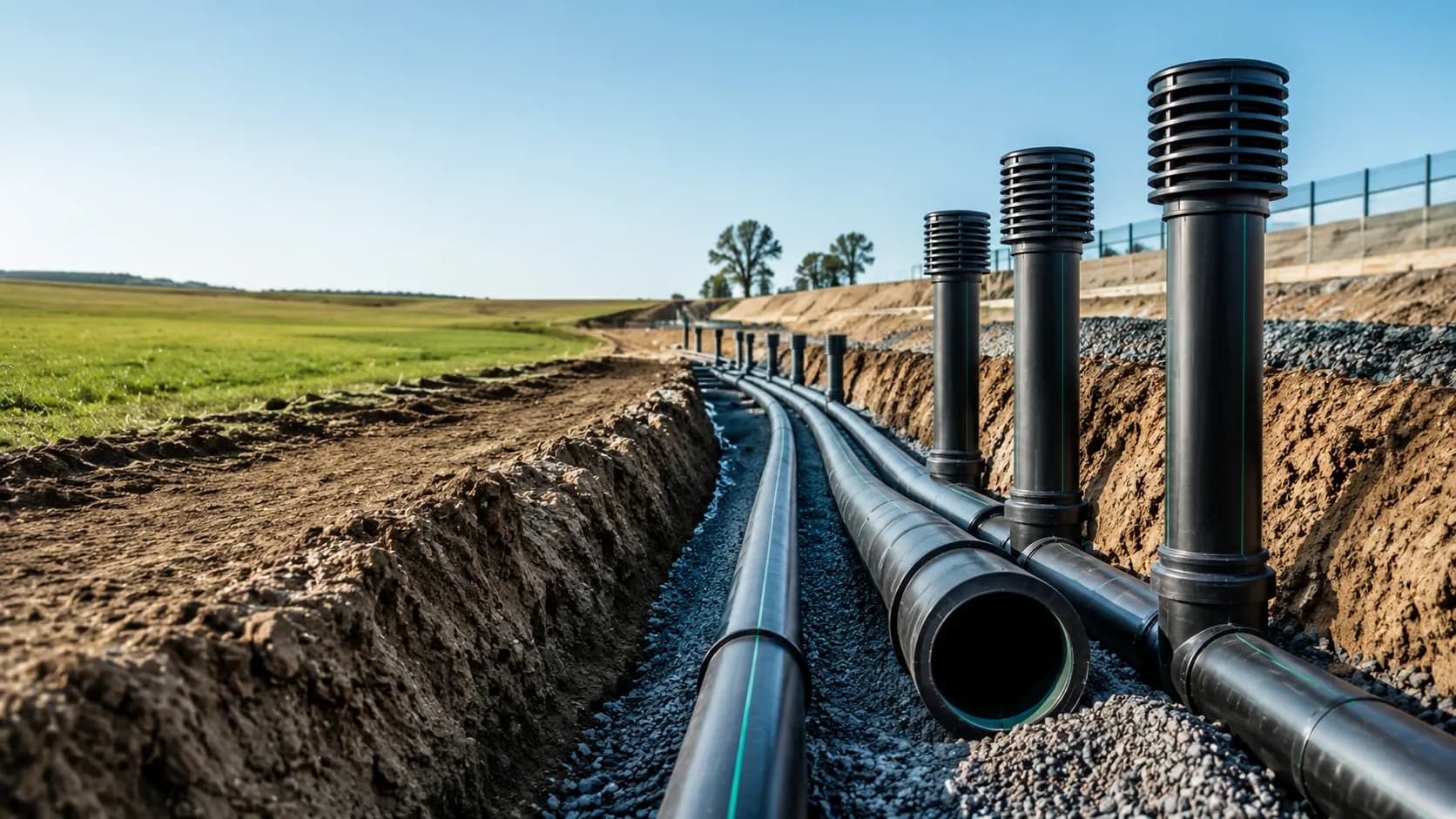
Plastic pipes and ventilation pipes
HDPE/PPH plastic pipes for sewerage, drainage, industrial water, irrigation and the ventilation of halls, farms and plants.
HDPE and PPH, per purpose, pipeline type, medium and project requirements
 Wastewater
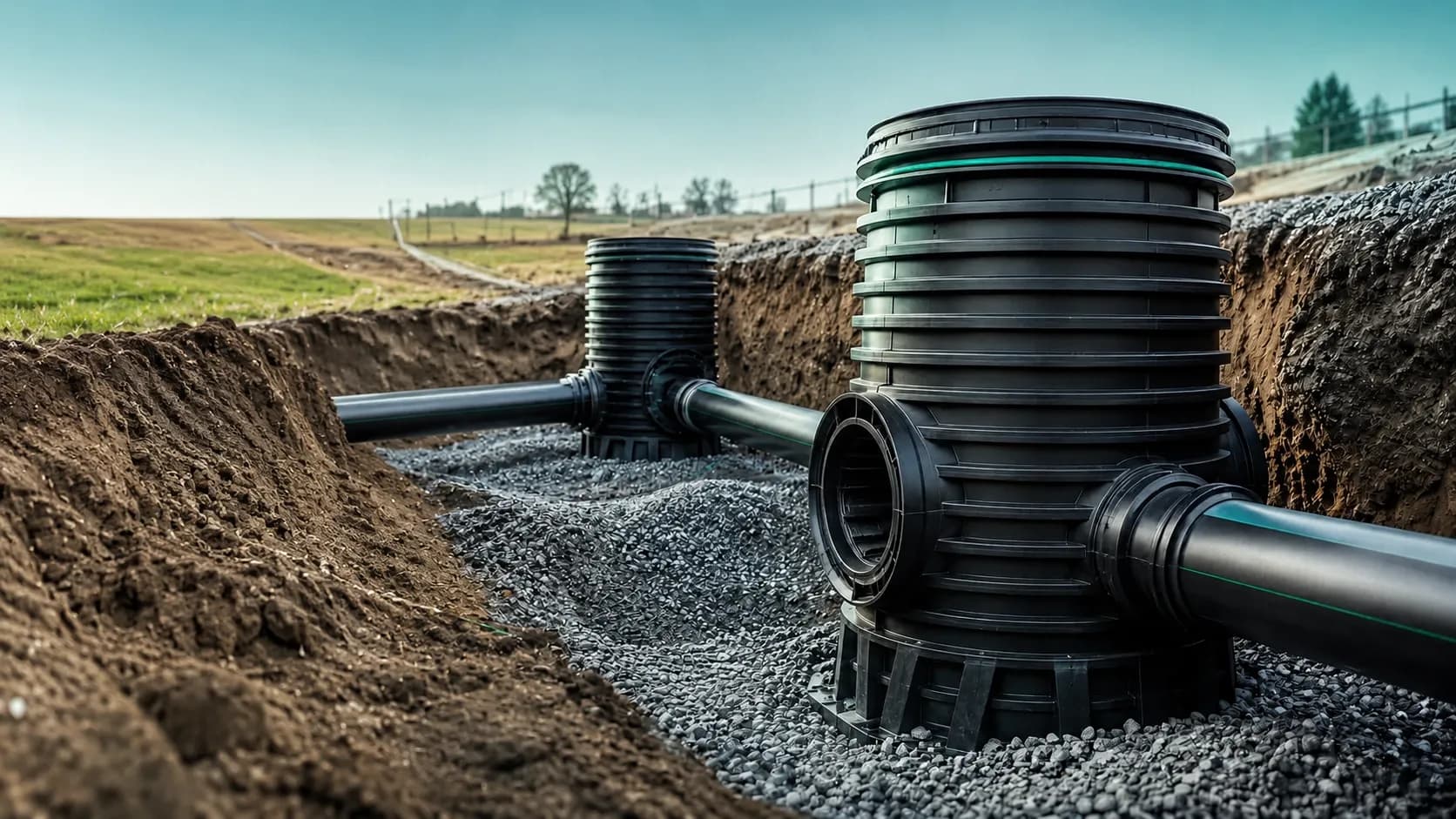
Plastic manholes
Plastic HDPE/PP manholes for sewerage, inspection and water meters, custom-made for reliable sealing and easy installation.
HDPE and PP, per purpose, manhole type and project requirements
 Wastewater
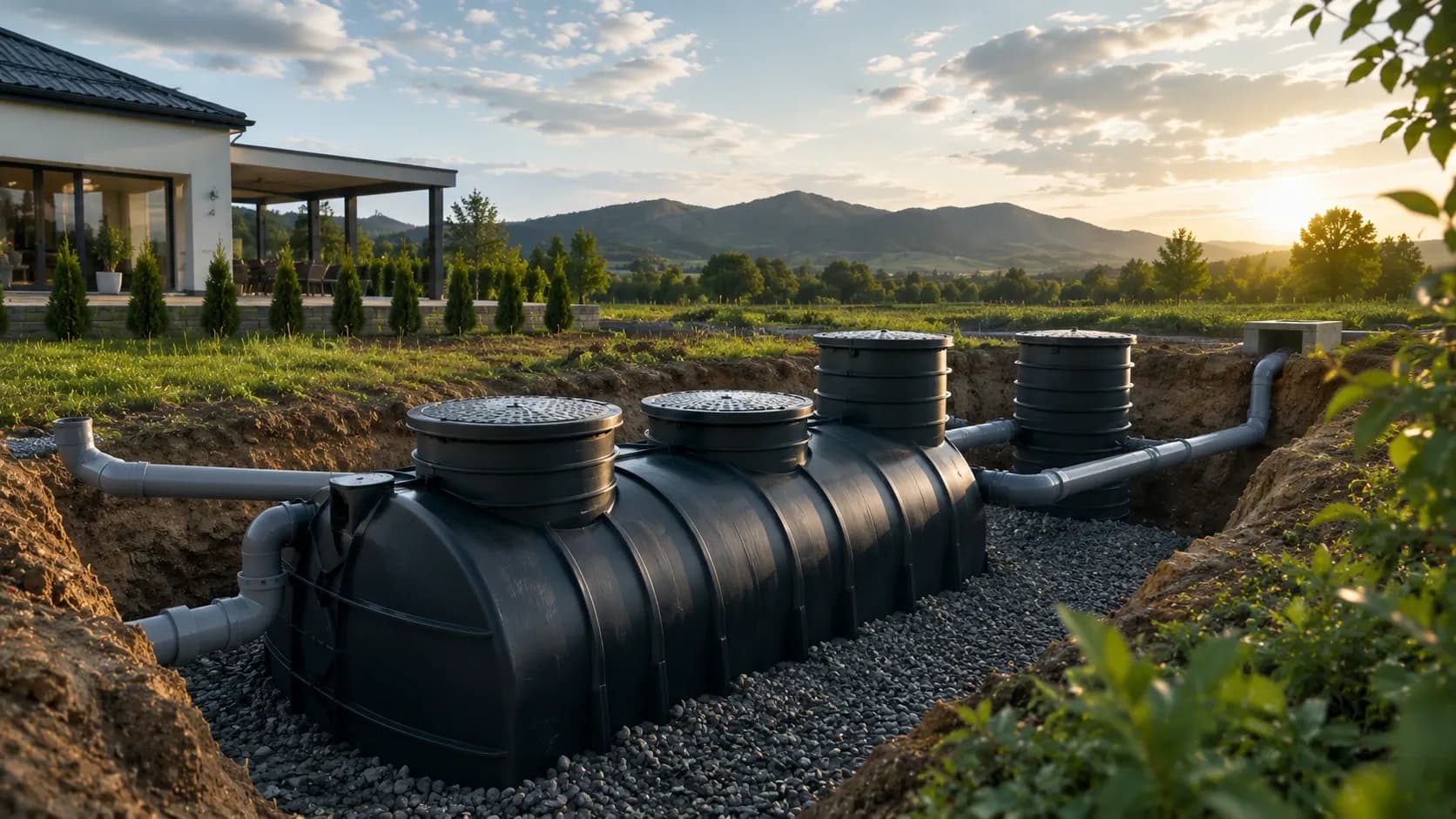
Septic tanks
Plastic PEHD septic tanks for wastewater, households, cottages, schools, hotels and facilities without sewerage.
PEHD / HDPE, per purpose, volume and project requirements
Have a project in mind?
Send us your dimensions and use case - our team will prepare a tailored quote, no obligation.